Pope's vicar for Rome asks parishes to reach Catholics who have stopped practicing
Cardinal Baldassare Reina, the pope's vicar general for the Diocese of Rome, called on Roman parishes on September 17 to step up their evangelization and reach Catholics who no longer attend. He also spoke about family breakdown, drug addiction and housing costs
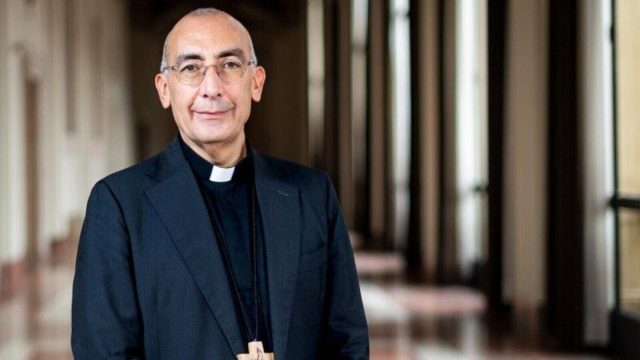
Cardinal Baldassare Reina, the pope's vicar general for the Diocese of Rome and archpriest of the Basilica of St. John Lateran, called on Rome's parishes on September 17 to step up their evangelization work, with particular attention to Catholics who have stopped practicing. In an interview, he said priests should turn their attention to people who have not walked through a church door in a long time.
"What I frequently ask of priests is that they pay special attention to those who, for various reasons, no longer set foot in our parishes," Reina said. He said parish life tends to revolve around those who already come, while the absent receive less attention. "The Kingdom of God goes beyond the boundaries of the parish," he said. He grounded that task in the missionary mandate Christ gave his disciples, which applies to all the baptized.
Social crisis and pastoral commitment
The interview also turned to social questions. Reina spoke about family breakdown, drug addiction and the worsening housing crisis. "Housing poverty is becoming more and more serious: market forces are pushing prices beyond the reach of people on an average salary," he said. In households where only one family member works, he said, paying the rent becomes almost impossible.
Pope Leo XIV will preside over the diocesan assembly that formally opens the new pastoral year on the afternoon of September 18 at the Basilica of St. John Lateran, as he did for the first time on September 19, 2025. Reina described one feature of the diocese: most of the churches are in the center while most of the population lives on the outskirts, a gap that produces very different social needs, especially among young people. The diocese is also setting up networks among neighboring parishes so they can share experiences, starting with the most active communities and those with better-trained pastoral workers. It has strengthened the diocesan pastoral council and is holding consultations on specific areas.