Diocese of Rome to open sainthood inquiry into man killed helping a driver in trouble
The Diocese of Rome will formally open an inquiry on November 6 into the life of Lorenzo Cuneo, a Roman layman who was 28 when he died on the A1 highway after stopping to help a driver in trouble
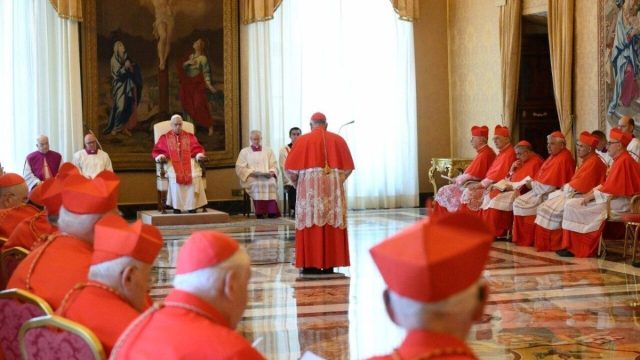
The Diocese of Rome will open an inquiry on November 6 into the life of a layman who died at 28 while helping a driver in trouble on the A1 highway.
The formal opening of the diocesan inquiry into Lorenzo Cuneo will take place at noon on November 6 in the Hall of Conciliation at the Lateran Apostolic Palace in Rome. Cuneo, a Roman, was 28 when he was struck and killed by a truck on the A1 highway after stopping to help a driver in difficulty. The diocese will set up the tribunal that day, which must determine whether Cuneo, a scout and a Caritas volunteer, lived the Christian virtues with enough heroism to begin the path toward beatification.
A decade of groundwork
The postulator of the cause, Paolo Vilotta, told EWTN News Español that the opening follows more than 10 years of work. "His parents contacted me around 2011 or 2012, when the possibility of a beatification cause began to be raised," he said. Since then, he said, a preliminary investigation has gathered testimony from relatives, friends, priests and others who knew Cuneo directly.
Vilotta never met him, but said his years studying Cuneo have shown him a young man whose life was built around serving others. Born and raised in Rome, Cuneo found in scouting a natural outlet for his faith from childhood. "He had a very human contact with the faith," Vilotta said, adding that Cuneo's family was decisive in shaping that spirituality.
Faith and action
Vilotta returns most often to the consistency between Cuneo's convictions and his daily conduct. That commitment led him into charitable work and into environmental causes at a time when few shared the concern. He ran on an independent list to push environmental policies on the Rome city council, which the postulator describes as the act of a genuine forerunner in the 1990s.
His work went beyond Rome. During the conflict in the Balkans, Cuneo traveled to the former Yugoslavia to work with young people and families devastated by the war, bringing not only material aid but personal presence and support. Vilotta said those trips show that Cuneo saw service to others as inseparable from his faith. "I usually speak of a vertical and a horizontal dimension: love for God was transformed into love for neighbor. In every person he saw Christ," he said.
In Rome he made weekly rounds of the city streets every Thursday, taking food to homeless people and spending time with them. Those promoting the cause say his death was consistent with how he had lived: he stopped on the A1 to help a driver in difficulty, was struck by a truck and died at the scene. For the postulator, it was "the last act of a life dedicated to others."
Stages of the beatification process
The opening of the diocesan inquiry does not mean the Church has recognized Cuneo's holiness. The tribunal to be set up on November 6, made up of an episcopal delegate, a promoter of justice and a notary, will hear from those who knew him and examine his personal writings and diaries, which his family has kept. A historical commission will collect and analyze all the relevant documentation.
Vilotta said the large number of direct witnesses, typical of a "contemporary cause," is a major asset for the process. Once the Roman phase closes, the complete file will go to the Dicastery for the Causes of Saints. The dicastery will weigh whether the material gathered supports recognition of his heroic virtue and, with it, a declaration that Lorenzo Cuneo is Venerable.
Based on reporting by Laura Clavería for Iglesia Noticias. This article was translated and adapted from Spanish with the help of artificial intelligence.