Cardinal Müller calls for a halt to Germany's Synodal Way over heresy risk
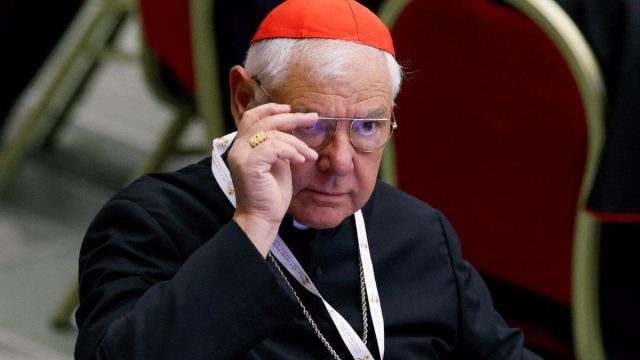
Cardinal Gerhard Ludwig Müller said the German Synodal Way should be stopped, as Bishop Heiner Wilmer, the new president of the German Bishops' Conference, told European bishops that Germany wants full communion with Rome
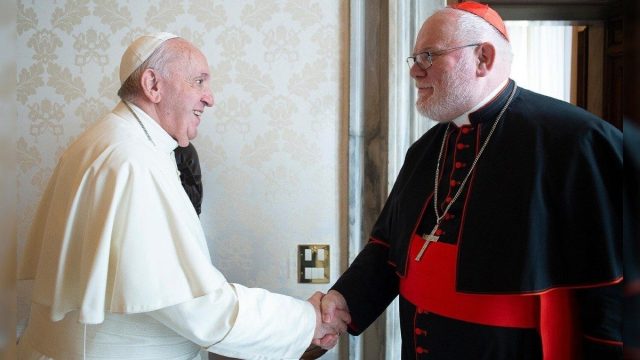
Bishop Heiner Wilmer of Münster, the new president of the German Bishops' Conference, has struck a different tone from his predecessor. He has stressed fidelity to Church doctrine and full communion with Rome as the German Synodal Way comes to a close. Speaking on October 30 to the plenary assembly of the Council of European Bishops' Conferences (CCEE) in Salzburg, Austria, Wilmer said the German bishops want to walk their path "as the Catholic Church, in full communion with the Holy Father and in fidelity to the Magisterium of the Church."
Cardinal Müller's criticism of the process
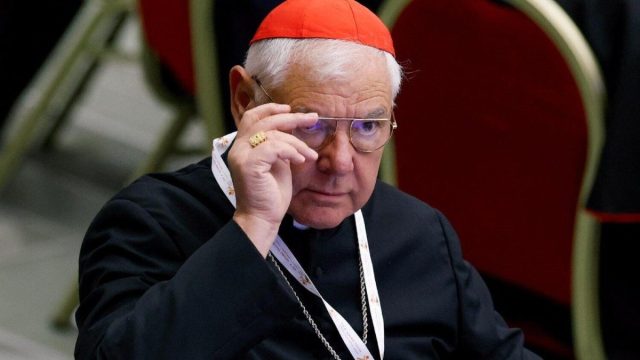
Cardinal Gerhard Ludwig Müller, prefect emeritus of the Congregation for the Doctrine of the Faith, has criticized the process. In an interview published by the Gibbons Institute on October 19, Müller publicly called for the German Synodal Way to be stopped. He argued that the process cannot be used to introduce heretical ideas into Christian anthropology or to deny revealed mysteries. "These documents they publish make no sense, they have no value for the magisterium," the cardinal said. He added that the Church "is not a permanent synod."
Müller said the Synodal Way assemblies gave little attention to God, to revelation or to Jesus Christ as the only Savior. "The bulk of the debate focused on social and political matters," he said, arguing that genuine reform in the Church can come only from fidelity to the doctrine it has received.
The question of ideological symbols
Müller also criticized the display of LGBT symbols in some German dioceses and Church bodies as a sign of openness. "There is no place for rainbow flags in the Church," he said, arguing that Catholic identity must center on Christ and the Cross rather than on ideological or political emblems. He linked the trend to the spread of currents such as the woke movement and identity politics.
Formal conclusion and statutes in Rome
The Synodal Way has formally ended. Its sixth and final assembly took place in Stuttgart in January 2026. The statutes of the planned permanent Synodal Conference, a body in which bishops and lay people would take part together, were sent to Rome at the end of March. Vatican dicasteries are still studying them.
Wilmer's three criteria for renewal
In Salzburg, Wilmer set out three criteria for the next steps of the Church in Germany. Every decision must conform fully to canon law and Church order, and reflections and initiatives must be developed in close dialogue with Rome. Third, he said, Germans do not want "a specifically German path that distances us from the universal Church."
Wilmer acknowledged to his European colleagues that both the Holy See and other bishops' conferences on the continent have concerns about the direction of the Church in Germany, and said he intends to take them seriously. He recalled that the entire reform process began with the deep wound caused by the scandals of sexual abuse and abuse of power within the institution, and acknowledged that trust among the faithful has been eroded: "We must humbly acknowledge that many people have lost trust in us."
Wilmer said the Synodal Way in its original form has come to an end, and that what should follow is a path of conversion, responsibility and renewal.
Comparison with the previous leadership
Wilmer's predecessor as president of the conference was Bishop Georg Bätzing. While Wilmer stressed the need for "full communion with the Holy Father and fidelity to the Magisterium" in pressing ahead with reform, Bätzing directly criticized Pope Leo XIV, calling the pope's response to the German conclusions on the abuse crisis "inadequate and, in its possible implications, deeply problematic."
Both bishops were born in April 1961 and both hold progressive theological views, but their styles of leadership differ. Wilmer studied in Paris and Rome and taught in the Bronx, in New York City, and has acted as a careful mediator between the Church in Germany and the rest of the Catholic world. Bätzing, formed mainly within German Church culture, emerged as a combative defender of Germany's own path.
Wilmer was elected president of the German Bishops' Conference in February 2026. Two German auxiliary bishops said a few weeks ago that during the course for new bishops held in Rome, several colleagues from other countries asked them openly whether what is happening in Germany "is still Catholic."
Based on reporting by Javier Ruiz Arregui for Iglesia Noticias. This article was translated and adapted from Spanish with the help of artificial intelligence.