
Aparecida shrine unveils new mosaic facade designed by Rupnik despite abuse allegations
The National Shrine of Our Lady of Aparecida in Brazil inaugurated the west facade of its basilica on September 12, 2026, with mosaics from the studio founded by Father Marko Rupnik, who is accused of abuse by more than 20 women
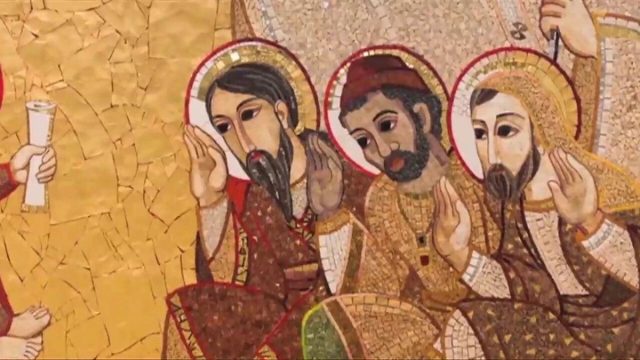
The National Shrine of Our Lady of Aparecida, in São Paulo, Brazil, inaugurated the west facade of its basilica on September 12, 2026. The mosaics were designed by the priest and mosaic artist Father Marko Rupnik, who faces accusations of sexual, psychological and spiritual abuse from more than 20 women.
The ceremony included music, prayers, biblical dramatizations and fireworks, and was similar to the celebration held in May 2025 for the shrine's east facade. The mosaics, which now surround the entire basilica, were produced by Centro Aletti, the art studio founded by Rupnik. His canonical trial is still under review by the Dicastery for the Doctrine of the Faith.
Questions over Rupnik's involvement
A recent video posted online has raised questions about how far Rupnik was involved in installing the mosaics. In an interview with TV Aparecida, the diocese's television channel, the shrine's administrator, Father Fabio Evaristo, praised the new work and said visitors would remember the people who helped create it, describing it as the work of "a wonderful family that came together to carry out this very special work."
After the accusations were verified, the Society of Jesus imposed restrictions on Rupnik. He refused to comply and was dismissed from the order. Less than two months later he was received into the Diocese of Koper, in his native Slovenia. Since the accusations became public, pressure to remove his work has grown, including requests from alleged victims who say the mosaics are a painful reminder of the abuse they suffered. Some shrines, among them the Basilica of Our Lady of the Rosary in Lourdes and the Saint John Paul II National Shrine in Washington, have covered Rupnik's work fully or in part. The Aparecida shrine has continued to install his mosaics.
Blessing and funding
During the celebration, the archbishop emeritus of Aparecida, Orlando Brandes, blessed the west facade. He said the images depicting the history of salvation would be an "unshakeable sign of hope and consolation for the pilgrim people." Speaking to those attending, Evaristo thanked everyone who had worked on the project and those who had made the dream of this work possible, and said their names would be "preserved forever behind these mosaics."
The shrine said work on the west facade began in 2025 and was completed in 2026. "The almost 4,000 square meters of mosaics were conceived and executed by 39 mosaic artists of various religious denominations (Orthodox, Greek Catholic, Latin Catholic) and nationalities, ages and states of life (priests, consecrated religious, laypeople and married people), all associated with Centro Aletti in Rome, Italy," the shrine said. The work was paid for with donations from the "Family of Devotees," an initiative that brings the faithful together to support the shrine's social, construction and evangelization projects.
Cost and unresolved dispute
Centro Aletti has not publicly disclosed what the mosaics covering the shrine cost. According to the Italian journalist Federica Tourn, the first two completed facades cost "an estimated 6 million euros (6.7 million dollars)." The estimated cost of the west facade, calculated from available information, is $4.5 million.
Rupnik's part in designing and installing the project remains unclear, as do the restrictions currently placed on him while the Dicastery for the Doctrine of the Faith examines his case. In a video posted on September 1 on TV Aparecida's YouTube page, several people, including Brandes, can be seen setting the final stones in the mosaic, and a person who physically resembles Rupnik is filmed giving instructions.


