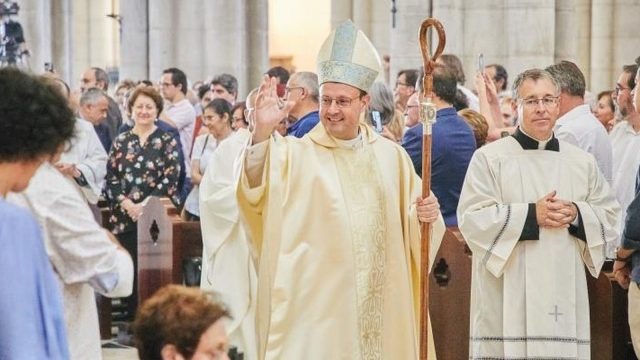
Pope Leo XIV to mark 400 years since the dedication of St. Peter's Basilica
The pope will celebrate Mass in St. Peter's Basilica on November 18, four centuries after Pope Urban VIII dedicated the church in 1626 following more than 120 years of construction
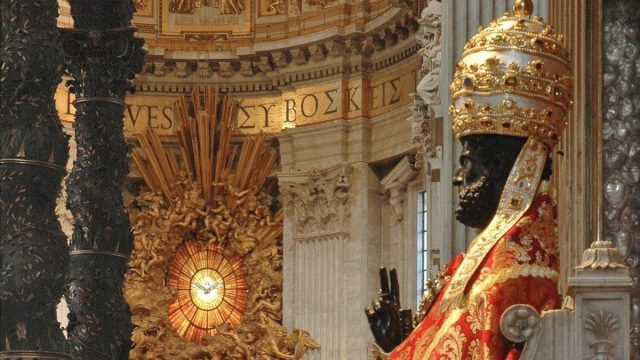
Pope Leo XIV will preside at a Mass in St. Peter's Basilica on November 18 marking 400 years since its dedication by Pope Urban VIII in 1626. The Mass begins at 5 p.m., according to the calendar published by the Office for the Liturgical Celebrations of the Supreme Pontiff. The basilica stands on the site that tradition identifies as the burial place of the apostle Peter.
From Peter's tomb to one of Christianity's great basilicas
The church's origins lie in the tradition that places the grave of St. Peter here. Peter was one of the twelve apostles of Jesus Christ and, according to Catholic teaching, the first pope. Christian tradition holds that he was martyred in Rome during Nero's persecution in the first century. His burial place drew veneration and, over the centuries, became one of the main pilgrimage destinations in Christianity.
In the fourth century, the emperor Constantine ordered a large basilica built over the site. That church stood for more than a thousand years, until its deterioration and plans for a new building led to its replacement. The present basilica keeps the link with the apostle: beneath the papal altar lies the area known as the Confessio of St. Peter, tied to the site of his burial and to the beginnings of Christian veneration at the Vatican.
More than a century of building
Work on the new church began on April 18, 1506, during the pontificate of Julius II. Donato Bramante drew up the first design, though the plans were altered many times over the following decades. Among those who worked on the building were Raphael, Michelangelo and Carlo Maderno.
Michelangelo shaped the dome, one of the most recognizable features of the Roman skyline. He died before it was finished, but his design governed everything built afterward. Maderno extended the nave and designed the main facade, completed in 1612. Gian Lorenzo Bernini later left his mark on the interior and the area immediately outside: the baldachin over the papal altar and the colonnade of the square are his work.
The dedication by Urban VIII in 1626
On November 18, 1626, Pope Urban VIII presided at the solemn dedication of the new St. Peter's Basilica. The ceremony came more than 120 years after construction began, and consecrated the church permanently for divine worship.
In Catholic liturgy, the dedication of a church is not simply an opening. The rite expresses that the building is set aside permanently for the celebration of the Eucharist, for prayer and for the gathering of the Christian community. The Church marks the anniversary of the dedication of certain churches each year, above all those of particular importance to a diocese or to the universal Church.
Art and pilgrimage
Over these 400 years the basilica has hosted papal liturgies, canonizations and the major events of successive pontificates. Among the works it holds are Michelangelo's Pieta, Bernini's baldachin and the Chair of St. Peter, also by Bernini.
The basilica is one of the major pilgrimage sites of Catholicism, drawing the faithful from many countries to pray at the memorial of the apostle. For the fourth centenary, the Fabbrica di San Pietro, the Vatican office responsible for the basilica's upkeep, and other Vatican institutions have organized cultural activities, programs for pilgrims and projects on the history of the church.
Based on reporting by José García for Iglesia Noticias. This article was translated and adapted from Spanish with the help of artificial intelligence.