Norwegian parliamentary committee rejects proposal to study legalizing assisted dying
The health committee of Norway's parliament voted down a Liberal Party proposal asking the government to examine how to write a right to "self-determined termination of life" into national law. The Catholic Church in Norway welcomed the decision
On November 3, the Health and Care Committee of the Storting, Norway's parliament, rejected a proposal by the Liberal Party, Venstre. The proposal asked the government to study how to write a right to so-called "self-determined termination of life" into national law. Only the Progress Party (Fremskrittspartiet) supported the initiative. Labour, the Socialist Left, the Centre Party, Rødt, the Greens and the Christian Democrats of KrF voted against it. The Catholic Church in Norway welcomed the outcome.
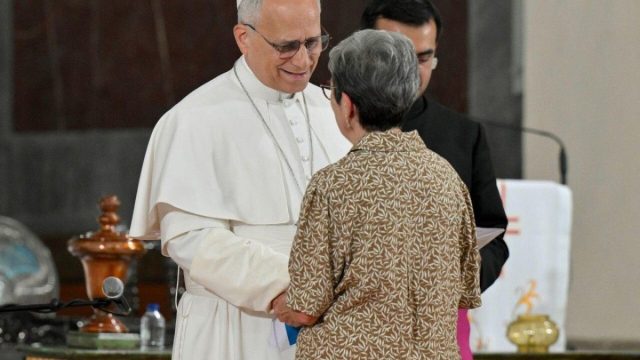
The bishop of Oslo, Fredrik Hansen, spoke publicly about the vote. "We are very pleased that the committee has said no," he said in a statement published on the website of the Catholic Church in Norway. Norway does not need a new public commission of inquiry to learn what euthanasia leads to, he said. Rules that were restrictive at first in Canada, the Netherlands and Belgium ended up covering ever wider groups of patients, he said, and that experience already gives strong reasons not to go down that road.
Hansen also drew a distinction he considers fundamental. There is a substantial difference, he said, between investigating the consequences of euthanasia and investigating how to introduce it into Norwegian law. The Venstre proposal, listed as proposal 264 S (2025-2026), assumed in its own text that a right to assisted dying exists. Any official inquiry would have been, in the bishop's words, "a first step that is neither neutral nor harmless."
Pressure on the most vulnerable
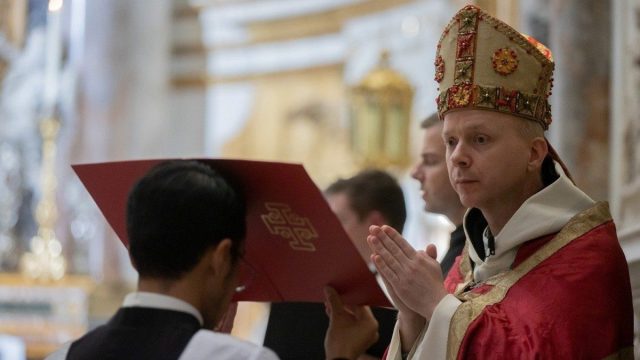
Bishop Erik Varden, prelate of Trondheim, apostolic administrator of Tromsø and president of the Nordic Bishops' Conference, which covers Scandinavia, focused on the pressure that legalizing euthanasia can place on people in the most fragile situations. He warned that when assisted dying becomes a legal option, the seriously ill, the elderly and people with disabilities may ask themselves whether they should choose to die so as not to be a burden on those around them. "A person's worth does not diminish when we need others," Varden said.
The two bishops had signed a joint statement to the parliamentary committee on September 14 under the title "Do not open the door to euthanasia in Norway." In it they advised "in the strongest terms" against approving the proposal. They faulted its sponsors for the absence of any underlying ethical debate, for the lack of analysis of the impact on the most vulnerable groups and for the omission of any reference to human dignity. The bishops cited Belgium's 2014 decision to extend euthanasia to minors as an example of how initial limits tend to widen over time.
In the committee, the KrF health spokeswoman set out in her report one of the central questions of the debate: "Who decides when you are sick enough? The state has to draw a line somewhere, and on this side of that line there will be people who could feel pushed into accepting the offer."
Stronger palliative care as the alternative
The committee recommended unanimously that parliament ask the government to ensure that patients are informed about their part in decisions concerning the final phase of life and that they can obtain good palliative care within the current legal framework. That framework penalizes both euthanasia and assisted suicide, and gives patients the right to refuse treatment that only prolongs the process of dying.
Instead of euthanasia, the Norwegian bishops propose strengthening palliative care, improving care for the elderly and expanding support for people with disabilities. They have said they are willing to take a more active role in that work if the authorities think it useful. Hansen put it this way: "When someone says they want to die, the first response must be to ask what makes their life unbearable and how they can be helped. We should not practice euthanasia because someone is suffering. We should relieve their suffering and stand by them."
The full Storting is due to debate the question on November 17. The committee's opinion does not settle the matter definitively.
Based on reporting by Javier Ruiz Arregui for Iglesia Noticias. This article was translated and adapted from Spanish with the help of artificial intelligence.