Pope Leo XIV asks the Church to become a refuge for the poor
In his message for the 10th World Day of the Poor on November 15, Pope Leo XIV said Christian communities must become a refuge where the poor find dignity, genuine listening and shared hope, not only material aid
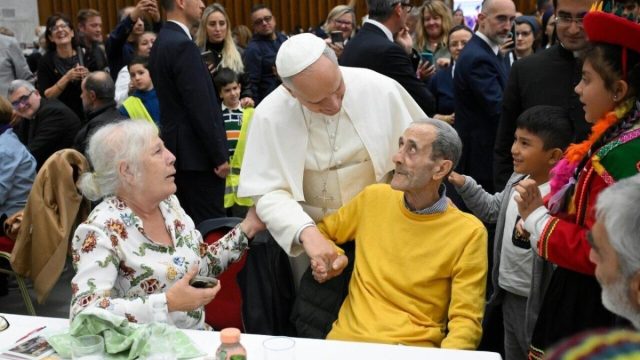
The Church marks the 10th World Day of the Poor on November 15 under the theme "The Lord is the refuge of the poor" (cf. Psalm 14:6). In his message for the day, Pope Leo XIV called on Christian communities to become places where the vulnerable, the marginalized and the excluded are welcomed without conditions.
The pope described the situation of the poor today. "The cry for justice of the poor is today silenced by many techniques, ever more subtle ones, until every effort they make to have their appeals heard is left without a voice," he wrote. In an age in which technology digitizes action and thought, and advances seem to eclipse the essence of human dignity, the number of invisible people is growing, he said. They are those who lack what they need for a life that is dignified, free and at peace. The throwaway culture remains present in many areas of life, discarding, sidelining and silencing the suffering of the most vulnerable.
Against the temptation to feel powerless or guilty, Leo XIV said the poor are not only recipients of help but bearers of a spiritual richness that society often ignores. "The poor know how to recognize what is essential better than others, because they live on what is essential," he wrote. Many vulnerable people keep a deep trust in God, a simple and persevering faith that becomes a witness for the whole Church, the pope said. Their ability to keep hoping in the middle of difficulty and their resilience in adversity are a school for Christian communities.
Refuge in God, refuge in the Church
The biblical phrase "The Lord is the refuge of the poor" describes God as home, shelter and protection for those living in vulnerability, the message says. It then puts a question to the Church: can vulnerable people find that same refuge in its communities?
Leo XIV recalled that Jesus chose the path of poverty and closeness to the last and the discarded. The Gospel for the day reads, "Come to me, all you who are weary and burdened, and I will give you rest." In Jesus, the pope said, God does not only protect the poor but shares their human poverty to the point of the cross. For that reason, "those who are oppressed, humiliated and defenseless grow today too in the certainty that they must abandon themselves to God, filled with trust and expectation." Taking refuge in God means finding true and secure protection, the kind the powerful can never guarantee.
That promise carries a demand, the pope wrote: "In Christ we are called to become poor and to become a refuge for the poor." The Christian community cannot remain indifferent to the many who are left at the door, he said. By its nature it is called to be poor and to welcome those who live with fragility, exclusion and precariousness. Material help is not enough: Christians are called to share the lives of the poor, to recognize their gifts and to let themselves be evangelized by them.
Listening before speaking
Caritas, the Church's charitable organization in Spain, and the Spanish Bishops' Conference, Spain's counterpart of the USCCB, prepared a homily guide. It says Christian communities often identify the material needs of the poor easily but find it harder to recognize the spiritual life of those who suffer. The poor are living members of the People of God with much to contribute, the guide says, yet they are frequently treated as objects of charity rather than as participants in the life of the Church.
The pope called for listening without haste, without paternalism and without ready-made answers. Vulnerable people need to be heard, not only represented by others, he said. When a community draws close to those who suffer and offers time, listening, friendship and real support, it is also changed, understanding that all are poor before God and that everyone has something to receive and something to give.
Leo XIV recalled St. Francis of Assisi, whose eighth centenary of death falls this year. Francis came to Rome as a pilgrim and was moved to compassion for the beggars. To understand and experience their suffering, he took off his own clothes and exchanged them for a poor man's rags, spending the whole day among them with joy of spirit. "We want to bear witness that it is possible, today too, to experience that same joy by putting ourselves in the place of the poor and listening to them, instead of only talking about them," the pope wrote.
See, judge, act
The pastoral materials set out the task in three steps. The first is to see: to hear the cry of the poor and to discover their faith. Communities should look at a reality that easily goes unnoticed, the materials say. The poor keep crying out, but their voices are drowned out by indifference, prejudice or distance. Many of them hold a deep trust in God that should be recognized and valued.
The second is to judge: to ask whether the Church is truly a refuge. Are parishes seen as a home by the most vulnerable? What real openings do they have to take part in and contribute to community life? The first reading presents the wise woman who "opens her hands to the needy and stretches out her arms to the poor." Closeness to the poor is not a secondary activity, the materials say, but a practical expression of the fear of God and of genuine wisdom in faith. The Church is called to become a house where no one feels like a stranger, judged or merely tolerated.
The third is to act: to build communities that listen, welcome and share responsibility. Marking the day well does not consist only in organizing a particular activity, the materials say, but in fostering a parish culture of encounter. A first step is to create opportunities for listening. A second is to encourage active participation, so that vulnerable families, migrants and elderly people living alone can take part in community, liturgical and formation settings. The third is to recognize that everyone has received talents to put at the service of others.
Being a refuge for the poor does not mean only offering help, the materials say. It means offering belonging, friendship, listening and hope, and recognizing that they, like everyone else, are poor before God, and that everyone has something to receive and something to give in the Christian community.
A Church transformed by the poor
The pope ends his message with a set of questions for examination of conscience. Are we a sign of a God who is a refuge for the poor? Are we aware of our own poverty, and do we prefer it to unjust wealth? Do we go to where the poor are and share their marginalization? Do we listen to their thoughts and share their hopes? Do we say their names with divine tenderness? Does our charity revive and sustain in them the desire for justice and deliverance?
"The Church resembles her Lord only when she becomes a refuge for the most vulnerable," the message says. Where a community welcomes, listens to and walks with the poor, something of the face of God becomes visible, and where the poor find a home, the whole Church is enriched and rediscovers the Gospel. The poor are not only brothers and sisters in need of help, the message says, but witnesses of faith who evangelize and teach what is essential. In them, Christ continues to cry out to God for justice.
Based on reporting by Javier Ruiz Arregui for Iglesia Noticias. This article was translated and adapted from Spanish with the help of artificial intelligence.