Vatican envoy tells UN that all forms of racism are morally unacceptable
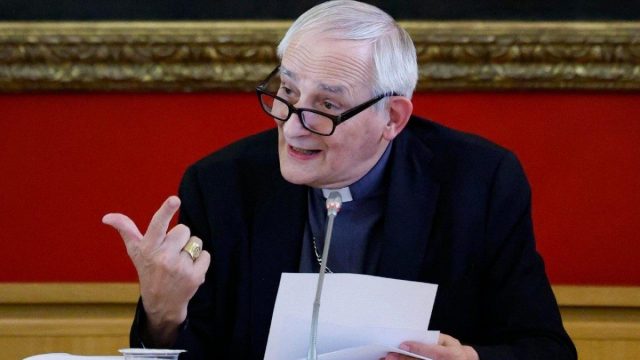
Archbishop Christophe-Zakhia El-Kassis, the Holy See's Permanent Observer to the United Nations, spoke on racism and racial discrimination at a UN meeting on September 28, 2026. He called on countries to overcome divisions and work for a more just and inclusive future
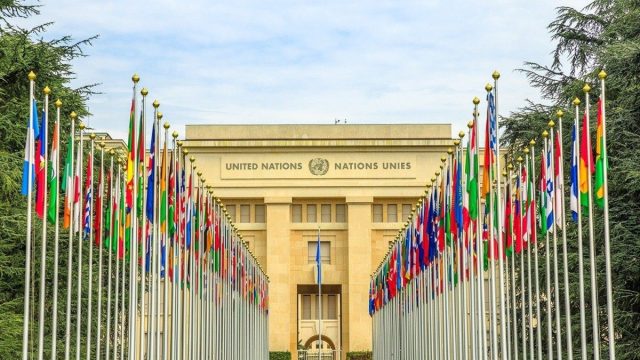
Archbishop Christophe-Zakhia El-Kassis, apostolic nuncio and Permanent Observer of the Holy See to the United Nations, told a UN meeting on September 28, 2026 that "any theory or form of racism and racial discrimination is morally unacceptable."
Speaking on racism and racial discrimination, he said the "God-given dignity of the human person is fundamental to building a true international community where the universal common good can be attained."
The gap between aspiration and reality
El-Kassis opened by pointing to a tension in the international order. There is, he said, an "aspiration toward the unity of the human family," but that aspiration has not taken hold in practice because ideological forces are pulling the other way.
He identified them as "materialist and nationalist ideologies that contradict the values inherent in the human person."
Human dignity as the basis of international order
The central argument of his address was that human dignity is not a secular invention but a divine gift, and that it does not depend on nationality, race or social status.
He said that building "a true international community" requires recognizing that all its members have equal dignity. The universal common good, he said, can be reached only if the good of each person is understood as inseparable from the good of humanity as a whole.
Overcoming divisions
El-Kassis called on countries to reflect together, first by accepting the need to "overcome divisions" and then by working "together to build a more just and inclusive future."
In that future, he added, the "dignity of every individual" must be respected "without distinction."
The address came at a time when "the fight against racism and the promotion of human dignity are issues of growing relevance," with global social movements, international institutions and governments debating how to respond to old and new forms of systemic racism.
El-Kassis's remarks form part of "the Holy See's efforts to promote dialogue and international cooperation in defense of human rights." That commitment has been "reiterated on many occasions by Pope Leo XIV and other Church leaders." The pope has spoken repeatedly about human dignity, fundamental rights and the need for dialogue in the face of violence and division.