Cardinal Farrell says catechesis alone cannot pass on the faith to the young
Opening a Vatican meeting on Amoris Laetitia that runs through October 14, the prefect of the Dicastery for Laity, Family and Life told more than 150 bishops that strong Christian families are a precondition for a living Church
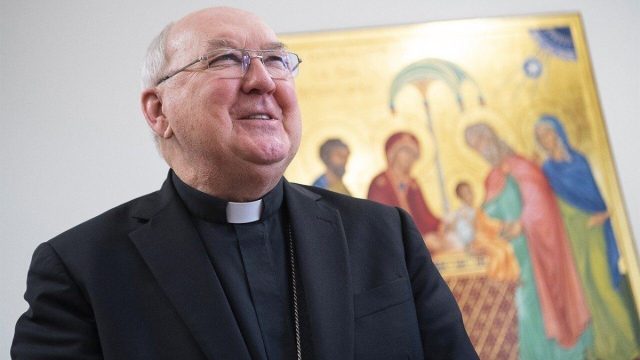
Cardinal Kevin Farrell, prefect of the Dicastery for Laity, Family and Life, opened an extraordinary meeting at the Vatican on October 7 devoted to the apostolic exhortation Amoris Laetitia. He called on the presidents of bishops' conferences and the leaders of the Eastern Catholic Churches to reflect on the crisis in handing on the faith within families.
Catechesis alone does not guarantee that the faith is passed on
Farrell said catechesis, while fundamental to Christian formation, is not enough on its own to ensure that the faith reaches younger generations or that they develop a personal relationship with God. The family and social setting that once sustained Christian life in the home can no longer be taken for granted, he said.
"Building strong and authentically Christian families is a precondition for having, in the near future, a living Church firmly rooted in the Gospel. This is the responsibility we feel has been entrusted to us in our pastoral work and that we wish to carry out with renewed commitment," Farrell said.
Leo XIV links Amoris Laetitia to the Second Vatican Council
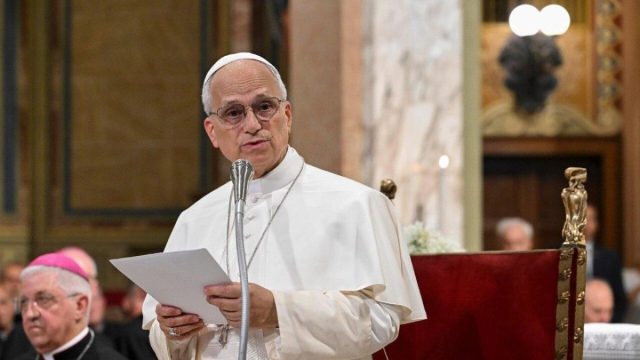
Farrell spoke after a greeting from Cardinal Mario Grech, secretary general of the General Secretariat of the Synod, and before the opening address by Pope Leo XIV. The pope described the 2016 exhortation as an important stage in the Church's long synodal and missionary path on marriage and the family, called for that path to continue, and tied it directly to the Second Vatican Council.
The meeting runs through October 14 and brings together more than 150 bishops to address the challenges facing families today and their effect on Christian faith. Eleven married couples from five continents will speak to the prelates about the difficulties they face in passing on the faith in increasingly secularized societies.