Mexican dioceses set their own catechesis timelines and ages for first Communion
Mexico has no national rule on how long children prepare for the sacraments, and in the Archdiocese of Mexico first Communion requires two years of catechesis and a minimum age of 9

Each diocese in Mexico sets its own catechesis timelines and minimum ages.
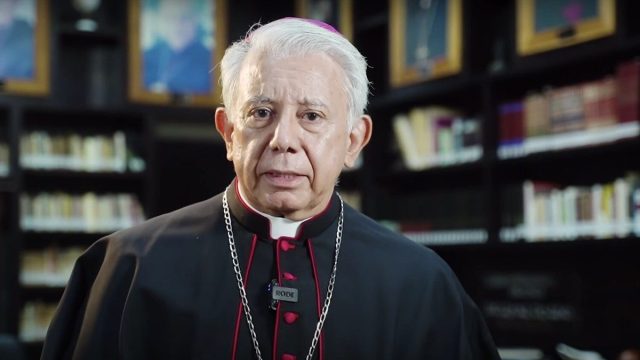
Mexico has no single national rule on how many years of catechesis children must complete before receiving the sacraments. Each diocese sets the ages and timelines. The most frequently cited example is the Archdiocese of Mexico, based in Mexico City. Since the 2018-2019 school year, a decree by its archbishop, Cardinal Carlos Aguiar Retes, has required two years of preparation for first Communion and three for confirmation, with minimum ages of 9 and 12 respectively.
What parish catechesis is
Parish catechesis is the formation in the faith that comes before the sacraments, and it is given mainly in parishes. The Code of Canon Law (Canon 843 §2) requires pastors and the rest of the faithful, each according to their role, to make sure that those who ask for the sacraments are properly prepared. That preparation comes through evangelization and catechesis and follows the norms of the competent Church authority. In practice, the bishop decides in each diocese and the parish applies the rules.
The Archdiocese of Mexico's rules
The archdiocese's "Decreto sobre la edad para recibir por vez primera los sacramentos de la Eucaristía y la Confirmación" (Decree on the age for first receiving the sacraments of the Eucharist and confirmation) sets 9 as the minimum age for first Communion. The child must have turned 9 and must have received the required catechesis. That catechesis lasts two years. For confirmation, the minimum age is 12 and preparation lasts three years.
Cardinal Aguiar Retes said at the time that the sacrament is not something demanded of a child as a requirement, but the result of the child's gradual formation in the faith. The decree also requires pastors, catechists and educational institutions to adapt to the rule. It says school-style catechesis is preferred, as provided for by the Archdiocesan Catechesis Commission (Comisión Arquidiocesana de Catequesis).
For confirmation, the decree adds a practical condition: the local ordinary must be informed and must give written authorization before the sacrament is administered. No priest may confer it without that permission. Bishops who do not serve in the archdiocese, and bishops emeritus, need permission from the diocesan bishop.
Other dioceses are also extending preparation
Mexico City is not alone in lengthening catechesis. The Diocese of Torreón, in the northern state of Coahuila, has announced that it will double the preparation time for first Communion from one year to two. Its bishop, Luis Martín Barraza Beltrán, explained the change: "Today we see that this is no longer enough." He added: "The context of faith in the family and the Christian community is no longer guaranteed."
Because timelines and ages can differ from one diocese to another, parents should ask their parish which ones their diocese applies before enrolling a child.
Fees, free access and late enrollment
Canon 848 sets the rule on payment for the sacraments. Apart from offerings set by the competent authority, the minister is not to ask for anything for administering them, and must always make sure that the needy are not deprived of them because of poverty. Contributions are therefore set by the authority in each diocese, not by individual pastors on their own.
On late enrollment, Canon 843 §1 states that sacred ministers cannot deny the sacraments to those who ask for them at an appropriate time, are properly disposed and are not barred by law from receiving them. What is required is preparation, which in the Archdiocese of Mexico means having received the required catechesis. Anyone who signs up late should go to the parish, ask which group they can join, and complete the program set by their diocese before receiving the sacrament.
Based on reporting by Miguel P. Herrador for Iglesia Noticias. This article was translated and adapted from Spanish with the help of artificial intelligence.