Independent report finds serious failings in Panama archdiocese's handling of abuse cases
A commission of outside experts reviewed 37 complaints recorded between 2001 and 2025 and found weaknesses in the Archdiocese of Panama's response procedures, insufficient files and no proper system for hearing victims
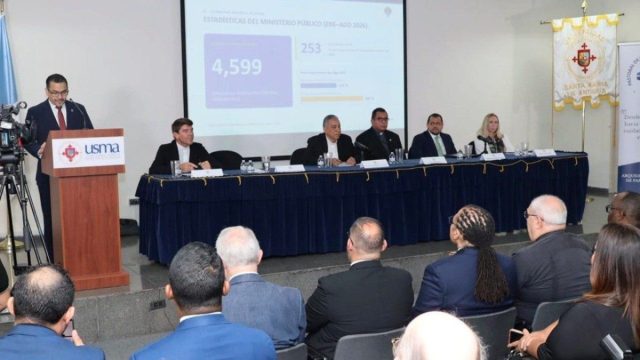
The Archdiocese of Panama's handling of cases of sexual abuse of minors and vulnerable people was examined in public on September 22, 2026. The report, presented at the Universidad Santa María la Antigua (USMA) by the Comisión de Transparencia (Transparency Commission), covers 37 complaints recorded between 2001 and 2025 and concludes that the archdiocese's response and prevention procedures need substantial improvement.
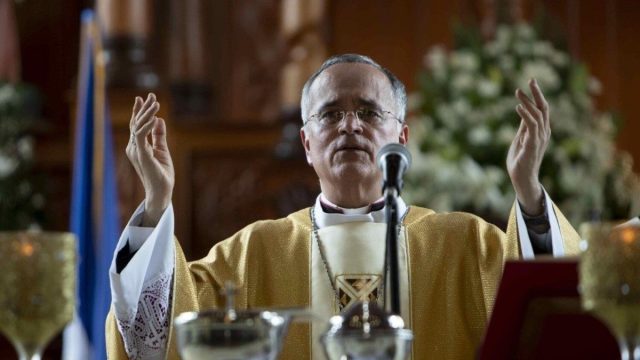
Archbishop José Domingo Ulloa Mendieta, who requested the review voluntarily and without any court order, publicly asked the victims for forgiveness. "In the face of abuse we cannot remain silent," he said. The report said sexual abuse causes especially grave harm when it takes place in institutions responsible for protecting vulnerable people, deepening the breakdown of trust.
The commission is made up of international experts in the handling of abuse in the Church and was funded by the University of Notre Dame Law School and Universidad Villanueva. Its members reviewed the archdiocese's files, conducted interviews and took direct testimony. Only 24 of the 37 recorded complaints were examined. The rest fell outside the archdiocese's jurisdiction or did not involve minors.
The review found considerable shortcomings in response procedures. It described the files on the complaints as "manifestly insufficient," which makes it hard both to reconstruct what happened and to hold anyone to account. The report also found no adequate system for hearing victims: the victim was recorded as having been heard in only two of the 24 cases, compared with at least eight in which the accused was heard.
The commission said the archdiocese has improved its handling of these cases over the past 25 years, but warned that significant weaknesses remain in its procedures. Its recommendations include setting up independent channels centered on the rights of victims and adopting codes of conduct for dealing with minors and vulnerable people.
Ulloa said a culture of protection cannot rest on written rules alone and has to involve every member of the Church community. He also promised to work with civil authorities on complaints that require it and to review current practices to strengthen prevention.
The report concludes that the archdiocese must cooperate effectively with the civil justice system and set up a record-keeping system documenting every communication related to an abuse complaint. The commission welcomed the archdiocese's decision to request an independent review and to publish the findings, noting that the review began as a voluntary exercise in institutional responsibility, with no outside complaint prompting it.