Pope Leo XIV says fighting abuse means listening to victims and naming evil
At his Wednesday general audience, the pope marked a day of prayer for abuse victims and survivors, saying prevention requires hearing those who were wounded and pursuing truth and justice
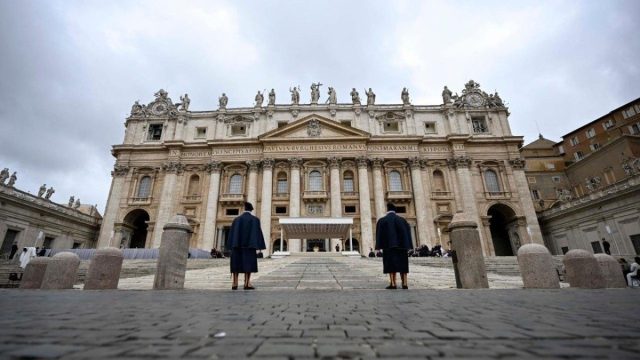
Pope Leo XIV ended his general audience in St. Peter's Square on Wednesday, November 18, with a specific reference to the sixth National Day of Prayer for Victims and Survivors of Abuse. The day of prayer, held the same day, was promoted by the Italian Bishops' Conference's national service for the protection of minors and vulnerable adults and by other bishops' conferences.
The pope said preventing and fighting abuse is a concrete way of living out conversion to the Gospel. That conversion, he said, requires beginning with the testimony of those who have been wounded, calling evil by its name and following paths of truth, justice and rebuilding.
This year's theme was "Listening that heals, a community that rebuilds," inspired by Exodus 3:7: "I have observed, I have heard, I know." The day is meant to pray for victims and survivors of abuse and to raise awareness of the importance of protecting minors and vulnerable people.
Fishers remembered ahead of World Fisheries Day
With World Fisheries Day a few days away on Saturday, November 21, the pope also turned his thoughts to fishers who lose their lives at sea and those who work in areas of armed conflict. He remembered those attacked by pirates or held in prison, and families waiting for news of loved ones lost at sea.
The pope also mentioned migrant fishers, those subjected to labor exploitation, and coastal communities facing the consequences of the environmental crisis and the steady impoverishment of the seas.
Blessed Karolina Kózkówna recalled
In his greetings to Polish-speaking pilgrims, the pope recalled Blessed Karolina Kózkówna, a young peasant woman from Wał-Ruda, in the Diocese of Tarnów in southern Poland. She died on November 18, 1914, at the age of 16, killed by a Russian soldier when she resisted his attempt to sexually assault her.
The pope presented her faithfulness to God and her defense of human dignity as an especially valuable witness for young people searching for truth and the meaning of life, and seeking to rediscover their own dignity in Christ.
Based on reporting by Javier Ruiz Arregui for Iglesia Noticias. This article was translated and adapted from Spanish with the help of artificial intelligence.