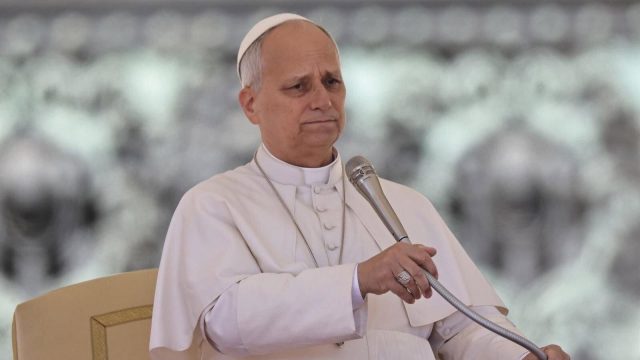
Pope Leo XIV warns against leaving moral decisions to artificial intelligence
At his general audience on September 16, Pope Leo XIV told about 25,000 people in St. Peter's Square that human decisions must not be handed over to algorithms, and called for deeper personal relationships
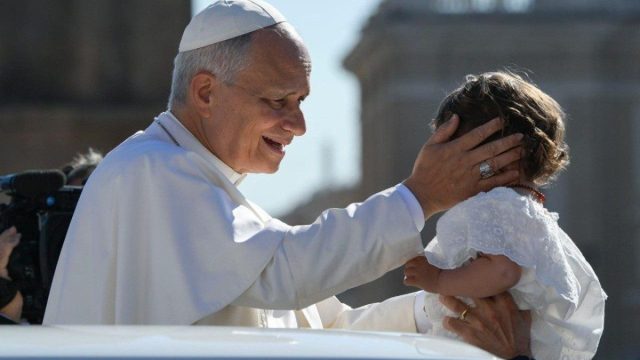
At his general audience in St. Peter's Square on September 16, 2026, Pope Leo XIV continued his cycle of catechesis on the Second Vatican Council's pastoral constitution Gaudium et Spes and said human decisions should not be handed over to algorithms. Speaking to about 25,000 people, he said that setting the development of the individual against that of society ends up canceling out both.
The pope called for deeper relationships at a time dominated by social media and artificial intelligence, and said political projects should be judged by the dignity of the human person. He condemned every form of homicide, genocide, abortion, euthanasia and voluntary suicide, calling such acts "shameful."
His reflection focused on the second chapter of Gaudium et Spes, which deals with the "human community." Leo said technological progress and the spread of communications media open new opportunities but also tend to depersonalize relationships. That can lead to a dangerous handing over of decisions to machines, at the expense of human conscience, he said. The Christian community, he said, has a responsibility to keep social interaction real and deep.
The pope said that in God's plan human beings form "one single family," and that the development of the person and the development of society depend on each other. Separating them or setting them against each other would be a mistake, as recent history shows. Every human being "has an absolute need of social life," he said, and must be the beginning, the subject and the end of every social institution.
Diversity as an opportunity, not a threat
Turning to the diversity of people and cultures, the pope said it should not be seen as a threat but as an opportunity for enrichment and growth. Violence and division are the fruit of sin and of the way sin shapes attitudes and actions at every level, bringing destruction and death. He called for a logic of reciprocity, sharing and mutual care, like the one seen among the different parts of the human body.
Leo defined the "common good" as the set of conditions that allow groups and individuals to reach their fulfillment. From that definition he drew several practical consequences, among them the need to respect human dignity. Anything that attacks life is unacceptable and should be considered shameful, he said. The common good requires respect for those who think and act differently, moving beyond an individualistic mindset toward responsibility and participation.
He closed by saying that this view of humanity as a "community of persons" is a valuable legacy of the Second Vatican Council. It invites everyone to weigh today's social and political projects responsibly, on the basis of human dignity, social justice and active involvement in building the common good.
At the end of the audience, the pope greeted chaplains from Italian prisons and thanked them for their apostolate in places of human suffering. He also recalled the Season of Creation and the feast of Our Lady of Sorrows, patroness of Slovakia. He asked the faithful to lift their eyes to creation and to pray for young people, encouraging them to make courageous decisions in the service of God and of others.