Pope Leo XIV calls for peace in Yemen and condemns church attack in Jordan
At the Angelus in St. Peter's Square, Pope Leo XIV urged an end to the fighting in Yemen, condemned the killing of nine people at an Orthodox church in Jordan and preached on the commandment of love
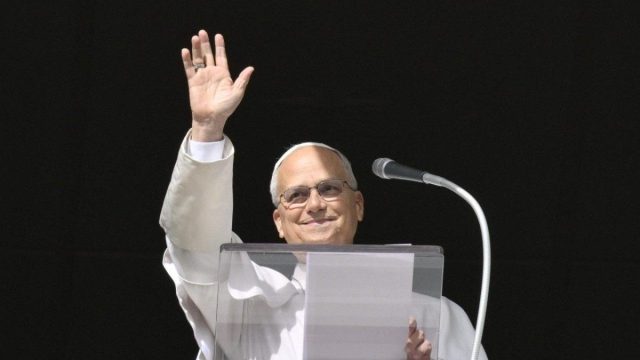
Pope Leo XIV devoted his Sunday reflection before the Angelus to the commandment of love, telling the faithful gathered in St. Peter's Square that it lies at the heart of the relationship between God and human beings. He took as his starting point the passage from the Gospel of Matthew in which a doctor of the Law asks Jesus which commandment is the greatest. From there he gave a catechesis on the personal and inseparable character of love for God and love for neighbor.
When the doctor of the Law asks, "Which is the greatest commandment of the Law?" Jesus answers by quoting Deuteronomy: "You shall love the Lord your God with all your heart, with all your soul and with all your strength." In that answer, the pope said, Christ places love at the very center of the bond with God. It is not enough to acknowledge that God exists, that he is one or that he is all-powerful. What the Lord asks for is a personal relationship. The one true God, the pope said, wants to be our God.
That first commandment cannot be understood on its own, he said. Alongside it the Lord adds a second: "You shall love your neighbor as yourself." Both come from the same source, and whoever puts them into practice overcomes selfishness and turns even self-love into charity, directing life toward others and making it a gift to those around them.
Before concluding, the pope turned to St. Therese of the Child Jesus, whom he described as someone who understood the reach of these two commandments deeply. The saint said that "only love can make the members of the Church act," and that if that love were ever extinguished, the Gospel would no longer be proclaimed. Without love, the pope told the faithful, faith would be stripped of its content, good works would be reduced to mere moralism and hope would be in vain.
He closed by asking God for the grace of a new heart, able to receive and live the great commandment. He entrusted that prayer to the intercession of the Virgin Mary, whose immaculate heart, he said, holds nothing but love.
Concern over violence and suffering
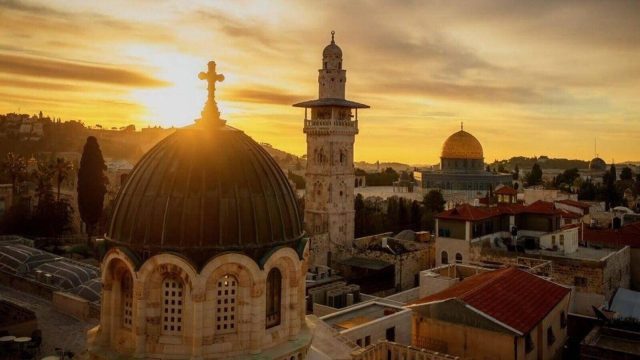
Speaking to about 20,000 people in St. Peter's Square, the pope said he was deeply concerned about the situation in Yemen and called for an end to the hostilities and for peaceful conditions to be guaranteed for civilians. He pointed in particular to the city of Taiz, whose residents face a severe humanitarian crisis marked by shortages of food, water and medical care.
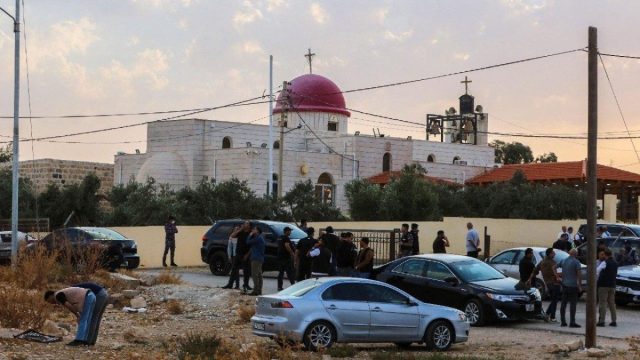
The pope also referred to the "terrorist attack against the faithful of the Orthodox church of St. George in Hammoud, Jordan," carried out the previous Friday. According to the latest reports, the attack took place on October 23 during a funeral, when gunmen opened fire on those present, killing nine. The attackers later returned to shoot at the wounded before firing on the front of the church.
The Orthodox Patriarchate of Jerusalem condemned the attack as "an abominable, cowardly and bloody act" and described it as "an attack against all of Jordan, against Muslims and Christians alike." The pope continues to pray for all the victims, the dead and the injured. He expressed his closeness to the Orthodox Christian community affected and to the Jordanian people, describing Jordan as a country that "is distinguished by peaceful coexistence and respect among the different religions."
These acts of violence led the pope to renew his appeal for prayers for peace from every corner of the world. He pointed to Assisi as a privileged place for that prayer, as the city marks the 40th anniversary of the meeting "Disarmed and disarming peace." The pope will not be able to attend the event because of his recent surgery and his doctors' advice.
Greetings to pilgrims
The pope then welcomed the faithful in the square and thanked them for coming. Among the groups he greeted were members of the Centro Académico Romano Fundación, from Spain; a group from St. Ciaran's College in Ballygawley, Ireland; and the "St. John Paul II" schools of the Diocese of Opole, in Poland.
He also greeted the heads of protocol of several Italian government ministries and offices, members of the association "Solidarity in Good Hands" from Castiglion Fiorentino, and a group of pilgrims from Concorezzo who traveled to Rome to mark their 70th birthdays.
Based on reporting by José García for Iglesia Noticias. This article was translated and adapted from Spanish with the help of artificial intelligence.