Vatican publishes new synod proposals on lay people and bishops
The General Secretariat of the Synod has published a report with proposals to strengthen cooperation between lay people, consecrated life and bishops

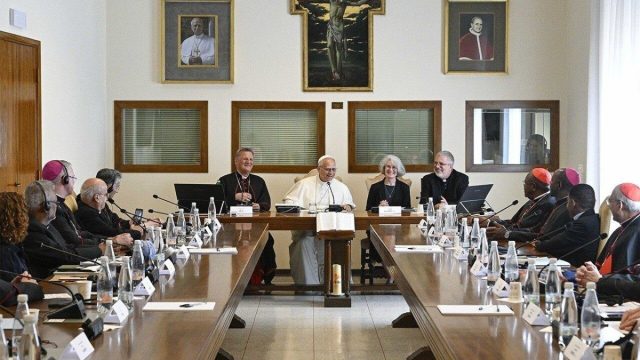
The General Secretariat of the Synod released a final report on September 8, 2026, with proposals on lay participation in bishops' ad limina visits and on binding agreements between religious orders and bishops. Bishops make ad limina visits to Rome to report on their dioceses. The initiative, promoted by Pope Leo XIV, is intended to encourage closer cooperation and greater transparency in relations between religious communities and dioceses.
The report draws on the work of two study groups and focuses on building more converted and collaborative relationships between bishops, consecrated life and Church associations. Cardinal Mario Grech, secretary general of the Synod, said that "there is no mission without converted relationships." He stressed the importance of dialogue and the exchange of gifts among the different groups in the Church.
Criteria for religious institutes and diocesan delegates
The first study group proposed drawing up theological and legal criteria for approving new institutes and societies of apostolic life, and appointing a delegate for consecrated life in every diocese. It also suggested contracts between dioceses and religious institutes covering matters such as formation, gender equality and the administration of property.
Rethinking the ad limina visits
On the ad limina visits, the second study group said they should not be confined to the internal administration of the local Church but should support the mission of the Christian community in the world. It proposed that bishops bring their community together to help draft the preliminary report sent to the Holy See before the visit, so that the process reflects the situation and needs of the territory.
The report also suggests that the visits be made in smaller groups, with enough time for dialogue that is frank and cordial and that allows local Churches to set out both their strengths and their needs. A group from the diocese would accompany the bishop on the visit, giving the local community better representation.
Follow-up and accountability
The report calls for proper follow-up after the visits, with reports that give bishops' conferences and hierarchical structures guidance on the outcomes and the next steps. It also envisions an independent ecclesial commission to review the process periodically, providing accountability and transparency as the proposals are put into practice.