
Leo XIV's first 16 months leave consistory and Curia posts unfilled
Sixteen months into his pontificate, Pope Leo XIV has yet to convene his first consistory or fill at least five senior positions in the Roman Curia, while working groups created after the 2023 Synod keep issuing documents and proposals
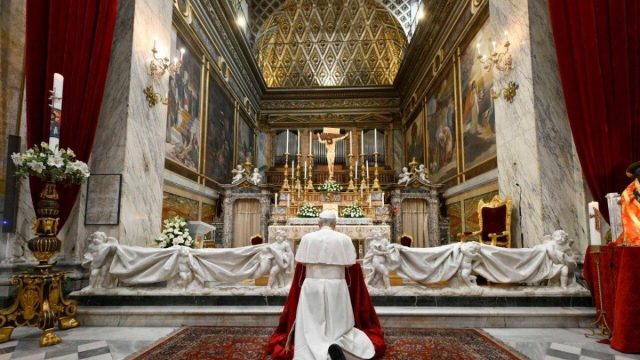
Pope Leo XIV has completed 16 months as pope with a clear aim for the Church: to restore internal harmony, reflected in his episcopal motto In Illo Uno Unum. Several decisions remain outstanding. His first consistory has not been called, and at least five senior posts in the Roman Curia remain unfilled.
The Church's different internal factions have begun to feel the strain of the wait. Traditionalists had expected a shift that would correct the marginalization they experienced under Pope Francis, while progressives have tried to read Leo XIV's actions as continuity with his predecessor.
According to an analysis published by Monday Vatican, the pope's direction came into sharper focus on September 10, at his meeting in Rome with recently appointed bishops. Leo XIV asked them to adopt a fatherly approach, nourished by a spirit of discipleship in keeping with the Augustinian charism. He said he wanted a Church with hierarchy, but also with solid communion and real collegiality, a communion that, as he said in his first public appearance as pope, involves a "disarmed and disarming peace."
The risk of synodal bureaucratization
Leo XIV did not halt the synodal process. He asked instead that work on synodality continue. The working groups set up after the 2023 Synod have gone on meeting, publishing documents and drafting proposals. Monday Vatican said the risk is that those processes turn into pure administrative management and end up making the Church a bureaucratic machine.
The analysis pointed to the reports of Groups 6 and 7 of the synodal path. Group 6 deals with relations between bishops, consecrated life and ecclesial associations; Group 7 examines the ad limina Apostolorum visits. Both start from real difficulties, excessive authoritarianism and centralization, but according to the analysis the documents answer them with procedural solutions that complicate the picture further rather than simplifying it.
Examples and contradictions
In Norway, Bishop Fredrik Hansen of Oslo convened the first diocesan synod in the history of that local Church, making clear from the outset that it was not a parliament and was not intended to change doctrine. In the Netherlands, Auxiliary Bishop Rob Mutsaerts criticized the Synod sharply and called for pastoral experiences to be measured by concrete indicators: vocations, Mass attendance and the practice of confession.
The window narrows
Monday Vatican said that letting the debate run on without a clear word from the pope risks both confusion and further bureaucratization. Francis opened an era of commissions, for the reform of communications, of the economy and of the Curia, which the analysis said produced a bureaucracy of limited effectiveness. It cited the Vatican's economic reform, in which powers were taken from the Administration of the Holy See and had to be returned a few months later.
The analysis said that while Leo XIV moves slowly in putting together his team, judgment on his pontificate remains on hold. It said a point comes when non-decisions are themselves decisions, and that the bureaucratization Francis set in motion will run its course and could stifle any impetus a new papal leadership might have offered. Francis used that same bureaucratization to concentrate decision-making in his own hands while appearing to listen to everyone, the analysis said. It said Leo XIV has a different opportunity before him, but that the window is narrowing.


