Pope Leo XIV grants Mexico a jubilee year for the Cristero centenary
The jubilee runs from November 22, 2026, to November 21, 2027, and pilgrims to shrines linked to the Cristero martyrs will be able to obtain a plenary indulgence, Mexico's bishops announced
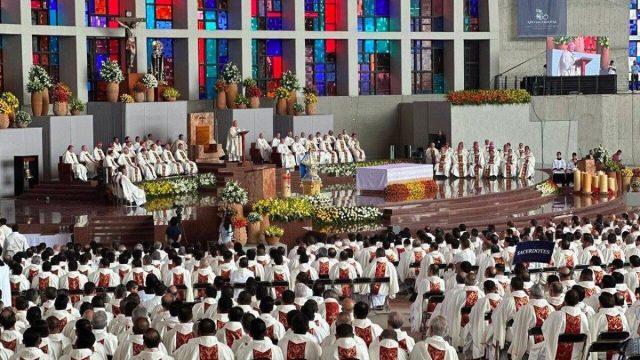
Pope Leo XIV has granted Mexico a new jubilee year that will begin on November 22, 2026, the Solemnity of Christ the King, and end on November 21, 2027. Ramón Castro Castro, bishop of Cuernavaca and president of the Mexican Bishops' Conference (CEM), Mexico's counterpart of the USCCB, announced it on November 9 during the opening Mass of the bishops' 121st Plenary Assembly at the Basilica of Guadalupe. The jubilee marks the centenary of the Cristero Resistance, the period of religious persecution Mexico lived through between 1926 and 1929.
The Calles Law and the years underground
The jubilee recalls the years when Mass was celebrated in secret and church bells fell silent after the so-called Calles Law, which sharply restricted Catholic worship in Mexico, took effect on July 31, 1926. Speaking before the bishops, the apostolic nuncio Joseph Spiteri and Cardinal Carlos Aguiar Retes, Castro Castro said the memory of those years is not meant to "reopen wounds, feed resentments, or point to enemies," but to help people "understand history, recognize the suffering and work together for reconciliation."
How to obtain the plenary indulgence
Over those 12 months, pilgrims who visit shrines linked to the martyrs of the Cristero period will be able to obtain a plenary indulgence "under the usual conditions of the Catholic faith," according to the announcement reported by the Mexican newspaper Excélsior. Castro Castro named the shrine of Christ the King on the Cerro del Cubilete, in the central state of Guanajuato, along with "the churches that the bishops determine in the territories" of each diocese.
Two jubilees at once in Mexico
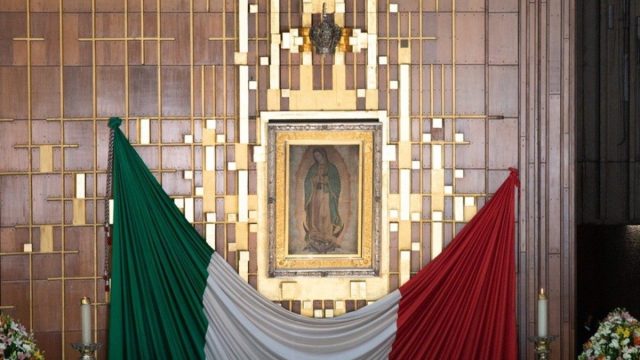
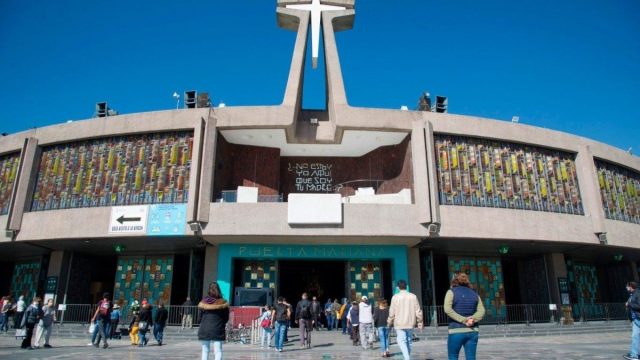
The Cristero jubilee joins one already under way, the Guadalupan Jubilee Year. That jubilee opened on October 12, 2026, for the 50th anniversary of the current Basilica of Guadalupe and of the transfer of the original image of the Virgin to that church. Both jubilees were authorized by Leo XIV and will fall just weeks apart on the Mexican calendar.
The figures remembered from the Cristero years
In his homily, Castro Castro recalled several figures from the period: the catechist Anacleto González Flores, who said "I die, but God does not die. Long live Christ the King!"; the priest St. Toribio Romo; Saints Luis Bátiz, Mateo Correa, José María Robles and Miguel de la Mora; Blessed Miguel Agustín Pro; and St. José Sánchez del Río, who was 14 when he was killed. He also pointed to the role of "a great many Mexican religious sisters, laywomen and anonymous figures" who, he said, "sustained the life of the Church" during the persecution.
Religious freedom and conversion today
Castro Castro tied the commemoration to the defense of religious freedom today. "No one should be persecuted, silenced or subjected to violence for believing, for not believing, or for living according to their conscience," he said. He asked that the right "be protected by all and for all." He said the jubilee year should not remain "a historical fact or one more anniversary," but should become "a true time of conversion" in the face of current problems such as violence and the disappearance of people in Mexico.
After the opening Mass of the assembly, Castro Castro was due to travel to Peru to accompany Pope Leo XIV during the five days of his pastoral visit to that country.
Based on reporting by Almudena Rodrigo for Iglesia Noticias. This article was translated and adapted from Spanish with the help of artificial intelligence.