Archbishop of Santiago says repairing the Church requires acknowledging the harm done
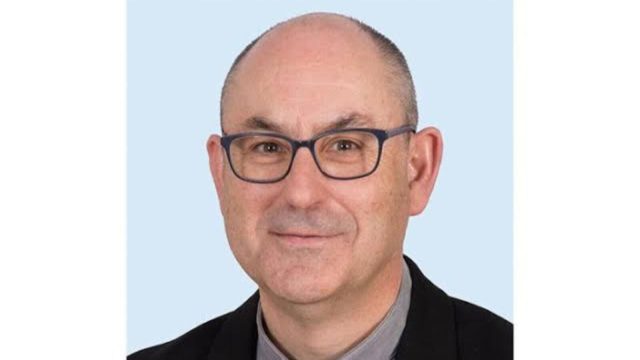
Archbishop Francisco José Prieto Fernández celebrated a Mass in Santiago de Compostela on October 4 marking the 800th anniversary of the death of St. Francis of Assisi, calling for reconciliation and for listening to those who have suffered
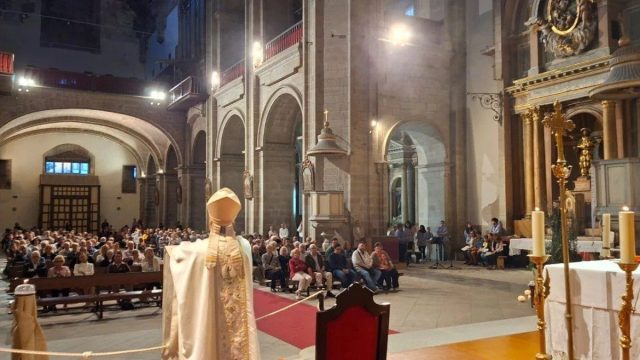
Archbishop Francisco José Prieto Fernández of Santiago de Compostela celebrated a Mass at the Convento de San Francisco, the Franciscan friary in the city, on October 4, 2026, marking the 800th anniversary of the death of St. Francis of Assisi. In his homily he urged those present to make the saint's legacy their own in daily life, with particular attention to people who are alone, to reconciliation and to acknowledging the harm done to others.
The commemoration falls within the Jubilee Year that Pope Leo XIV granted to the whole Franciscan Family, which runs from January 2026 to January 2027. Francis died at dusk on October 3, 1226, a moment tradition recalls as one the saint experienced as a joyful passage to eternal life and to meeting God.
The word brother as a foundation
Prieto began with the word "brother," which Francis applied to every creature, going so far as to call death his sister. Eight hundred years later, the archbishop asked the faithful to draw closer to the faith that made that vision possible, and to let the Gospel take a real place in their lives.
He described Francis as one of the little ones Jesus speaks of: someone who learned to let God lead him and to recognize his own need for love and forgiveness. Recognizing that we are children of God makes it possible to see the other person as a brother, he said, even when opinions differ or that person's presence is uncomfortable. He asked for attention to those who need company, who are waiting for a visit or who want to be heard, even when they can offer nothing in return. "Fraternity begins when we allow someone to interrupt our plans," he said.
Reconciliation and repairing the Church
Prieto said this way of life comes from Francis's encounter with the crucified Christ, the image of a love that gives itself, stays close to the wounded and opens paths to forgiveness. He recalled the letter Pope Leo XIV sent to the Franciscan family for the anniversary, in which the pope described Francis at the end of his life as a man at peace.
The archbishop urged those present to let go of resentment, of the need always to be right and of the suspicion that keeps people from recognizing good in others. Listening without humiliating, telling the truth with charity and asking forgiveness sincerely can open paths to reconciliation, he said. Peace is built in religious communities, in families and in parishes through concrete actions: speaking respectfully about people who are not present, accepting correction, or standing by those going through difficult times.
Turning to Francis's mission to repair the house of God, Prieto said the task remains and requires consistency between what the Church preaches and the lives of its members. Rivalries, harsh treatment of others and clinging to personal security damage the credibility of the Christian message. "Repairing the Church also requires acknowledging the harm that has been caused," he said, calling for those who have suffered to be heard and for responsibility to be taken. He recalled people who have left the Church after finding indifference when they needed welcome, judgment when they hoped for understanding, or who were hurt after placing their trust in it.
Care for creation and hope
Prieto extended that responsibility to the care of creation. Francis's way of seeing the world as a believer leads to living simply, giving thanks for what has been received and thinking of future generations. The responsible use of water, land, food and energy is part of that daily commitment to one's neighbor.
He closed by presenting the saint's death as a witness of hope. Francis knew illness, fragility and suffering, but did not lose his trust in God. From that experience, the archbishop asked that the anniversary produce concrete results: a reconciliation that has been put off, a more faithful presence alongside those who are alone, or a greater freedom to share. In that way, he said, the memory of the saint could become "the Gospel lived among us."