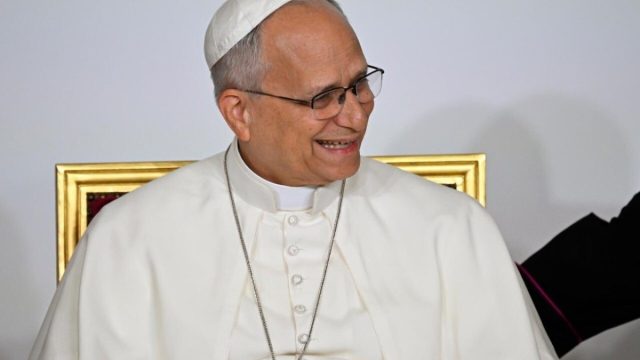
South Sudan bishop urges reform of Azande mourning rites that burden grieving families
Bishop Edward Hiiboro Kussala of Tombura-Yambio said the funeral and mourning traditions of the Azande people should be preserved, but practices that push bereaved families into debt or humiliate them should change

Bishop Edward Hiiboro Kussala, head of the Catholic Diocese of Tombura-Yambio in South Sudan, has called for the funeral and mourning traditions of the Azande people to be preserved. He stressed the need to uphold human dignity and to reform practices that place extra burdens on grieving families.
In an interview with ACI Africa on August 18, 2026, Hiiboro called the August 17 consultative meeting on regulating these rites "necessary, timely and deeply human." He said he was pleased that representatives of the Azande Kingdom, the government of Western Equatoria State, the Catholic Church and other Christian traditions had taken part.
"This is important because no institution can take on this responsibility alone," he said. Traditional leaders have a duty to protect the wisdom and dignity of their people, he added, while the government must promote the welfare of citizens.
Hiiboro, who chairs the Interfaith Council for Peace Initiatives in Western Equatoria, said churches have a responsibility to proclaim the Gospel, support families and protect the sacredness of human life. "Communities must also preserve the customs that are beneficial and change those that no longer serve the common good," he said.
The consultation grew in part out of the need to shield bereaved families from added financial, social and emotional pressure. "Death is already a painful experience. A family that has lost a loved one should not face additional burdens because of the expectations surrounding mourning," he said.
Hiiboro said the initiative is not an attempt to reject Azande culture but to preserve its positive values and address practices that may have become excessive or harmful. "For me, this is not about rejecting our culture or blindly returning to the past. It is about recovering the good wisdom of our culture, protecting human dignity and correcting practices that may have become excessive, distorted or harmful," he said.
On the Catholic Church's contribution, he said its approach to funeral rites rests on Christian faith and respect for culture. "For us, Christ remains at the center of death, mourning and the funeral celebration," the bishop said.
He listed cultural values he said should be kept: respect for the dead, solidarity with grieving families, the responsibility of the extended family, community support, respect for elders and hospitality. "For our Azande people there is much in our cultural heritage that deserves to be preserved. These are beautiful values," he said.
He called for reflection where customary practices impose unnecessary burdens. "Culture must always be at the service of human dignity and the common good," he said. "If a practice puts a grieving family into unnecessary debt, humiliates people, creates unhealthy competition, exploits their vulnerability or causes division, then we must have the courage to examine it and, when necessary, to change it."
Hiiboro suggested that communities weigh practices by asking whether they promote human dignity, strengthen families, protect the most vulnerable, foster solidarity and help the grieving to mourn with hope. "Where something is good, let us preserve it. Where something has become harmful, let us have the courage to change it," he said.