CEU study says share of Spaniards married before 30 fell from over 85 to under 15 percent
A report by the Spanish research center CEU CEFAS, presented on October 14, 2026, documents later and fewer marriages, more separations and a fertility rate of 1.07 children per Spanish-born woman
A new report by CEU CEFAS, a Spanish research center, documents changes in family patterns in Spain over the past five decades. Titled "Hundimiento y recuperación de la familia" (Collapse and Recovery of the Family), it was written by Alejandro Macarrón Larumbe, the foundation's head of social studies and analysis, and was presented on October 14, 2026. It draws on figures from Spain's National Statistics Institute (INE), together with data from international bodies and academic studies.
The sharp fall in births
The fertility rate among Spanish-born women has fallen from 2.77 children in 1976 to 1.07 in 2024, little more than half the 2.1 needed to replace the population. If current fertility patterns hold, the report estimates that around 40 percent of women now of childbearing age could end their reproductive years without children, compared with less than 10 percent four or five decades ago.
Births to Spanish mothers fell 68 percent between 1986 and 2024, with drops of 80 percent or more in provinces such as Asturias, Ourense and Vizcaya.
Later and fewer marriages
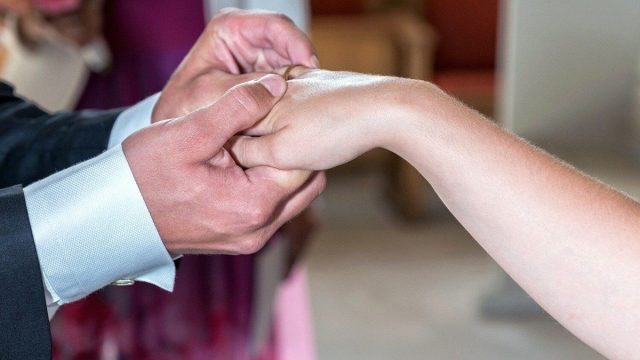
In 1976, more than 85 percent of Spaniards were married before turning 30. That share is now below 15 percent. Between 1976 and 2024, the average age at first marriage rose by 10.6 years for men and 11 years for women, reaching 37.3 and 35.1 years respectively.
If current patterns continue, close to half the population would never marry. The report links the trends: "The fall in the birth rate cannot be analyzed in isolation. People form couples and marry later, the likelihood of a breakup rises, and they have fewer children."
More family breakdowns
About half of all marriages in Spain are eventually dissolved. Slightly more than one in three break up before their 20th anniversary, one in five within the first 10 years and one in eight within the first seven.
The report estimates that between 3.5 and 4 million children and young people may have been directly affected by their parents' separation over the past four decades, counting both marriages and cohabiting couples.
Smaller households and living alone
At the end of 1970 there were about 660,000 single-person households in Spain, 7.5 percent of the total. By April 2026 the figure was close to 5.65 million, 28.5 percent of all households and 11.5 percent of the resident population. Average household size has shrunk from 3.9 people in 1970 to 2.5 today.
Half a century ago, 73 percent of the population lived with three or more other people; today that share is 42 percent. The report estimates that about 18 percent of children in the youngest generations are only children, with an average of fewer than 0.9 siblings. Spanish children in the 1960s and 1970s had slightly more than two siblings on average.
Economic effects and housing demand
The report calculates that current patterns of family formation and breakdown require more than three million additional homes compared with what would be needed under the family patterns of half a century ago. If all those homes were rented, the study estimates spending of between 21 billion and 30 billion euros a year, or 1.5 percent to 2 percent of GDP, which it says is probably a conservative estimate given rising housing costs.
Proposals to restore family stability
CEU CEFAS says falling marriage rates, rising family breakdown and lower fertility are closely related processes. It says they affect population aging, the decline of the native Spanish population, the number of people living alone, networks of intergenerational solidarity and the sustainability of social protection systems.
The study says it is vital for Spanish society that marriage and fertility rates rise and that family breakdown falls. It proposes teaching about the value of marriage and the harm caused by divorce, more favorable tax treatment for married couples with children, and specific measures to help young people who marry buy a first home. It also calls for changes to divorce law to make separations harder and slower when there are minor children, establishing serious justified grounds for granting a divorce along with measures to reduce the harm it causes.
The report concludes that the transformation of family networks has consequences reaching from intergenerational care to the transmission of values and the emotional stability of younger generations.